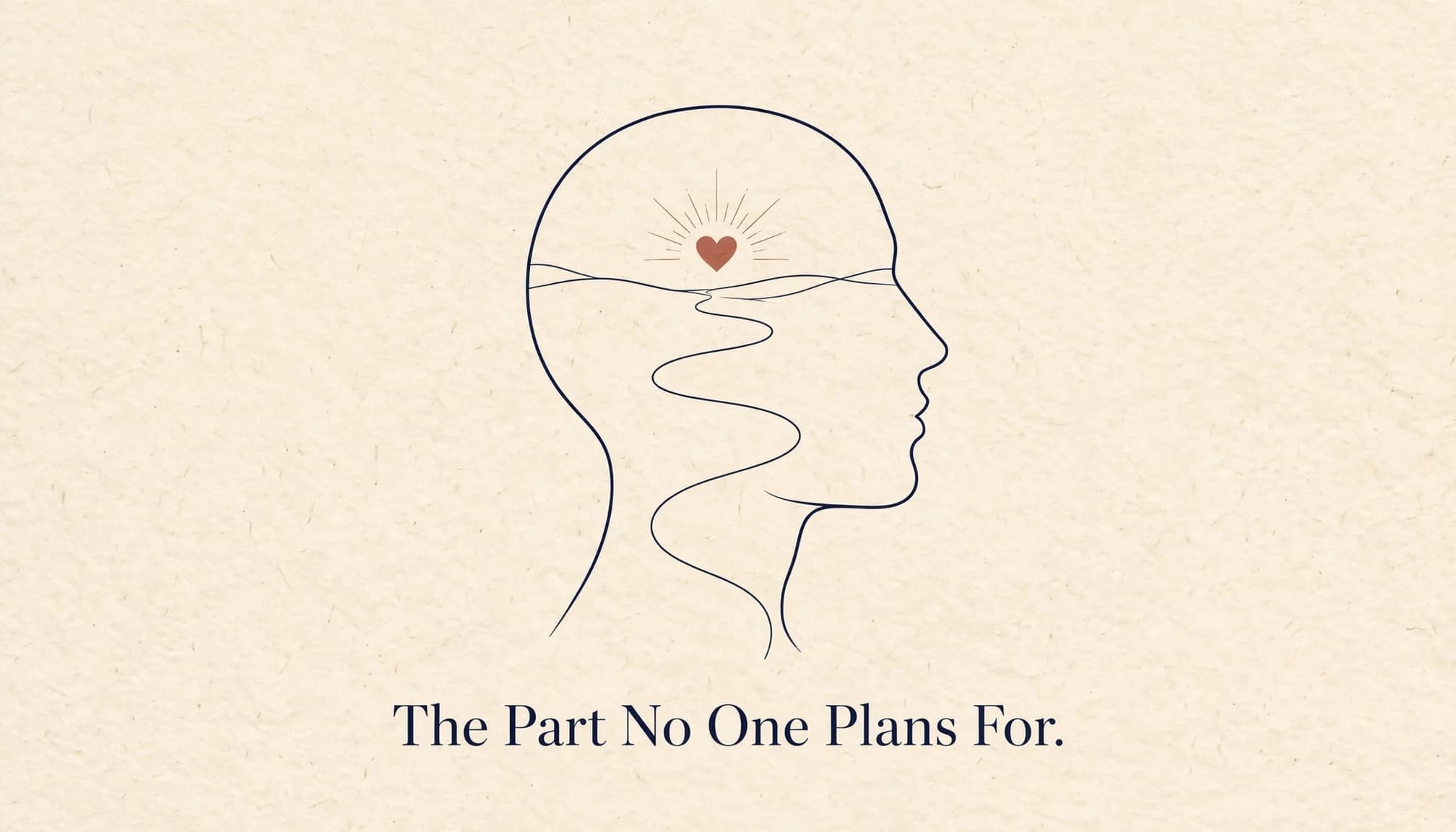
Emotional Readiness for Retirement: The Part No One Plans For
I still remember my first free morning after leaving my job. Waking up without an alarm, pouring the coffee slowly, feeling a deep and sweet wave of relief.
Then a few weeks later, once the novelty wore off, a flat and empty feeling crept into my living room. I had spent years calculating my savings number and almost no time preparing for how it would actually feel to stop. That flat stretch is what eventually pushed me to redesign retirement on purpose, and I walk through the whole journey in my own retirement success story.
If your finances are sorted but you still feel a quiet unease about the change itself, you are not alone. Emotional readiness for retirement is the part almost no one plans for, and preparing for it matters every bit as much as the money.
Key Takeaways
- Emotional readiness is separate from money. It means getting ready for how retirement will feel day to day, not just what your accounts hold.
- Leaving a career takes four things at once. Your routine, status, social contact, and often your sense of identity all go in one week.
- The hard feelings are normal. Restlessness, grief, and a dip in confidence during the shift do not mean you made a mistake.
- Preparation makes the landing softer. Building a routine and growing interests before you retire smooths the whole adjustment.
- Everyone’s timeline is different. Emotional well-being through this transition varies widely, so a personal plan beats a one-size formula.
What Emotional Readiness Actually Means
Let me put this in plain language. Emotional readiness is being prepared for the inner reality of stepping away from a career, not just the math of your portfolio.
Being relieved to leave a stressful job is wonderful, but relief is not the same as being ready for what comes next. I have a friend who hit his savings goal to the penny, then found himself wandering the grocery aisles in month three feeling completely lost.
Your financial plan can tell you whether you can afford to retire. It cannot tell you who you are without the job, and that is exactly what emotional readiness addresses.
Why Retirement Hits Harder Emotionally Than People Expect
Work quietly hands you four gifts every single day without you noticing: social contact, a built-in identity, a daily structure, and professional status. Retirement can pull all four away in a single week, and that is a real jolt to the system.
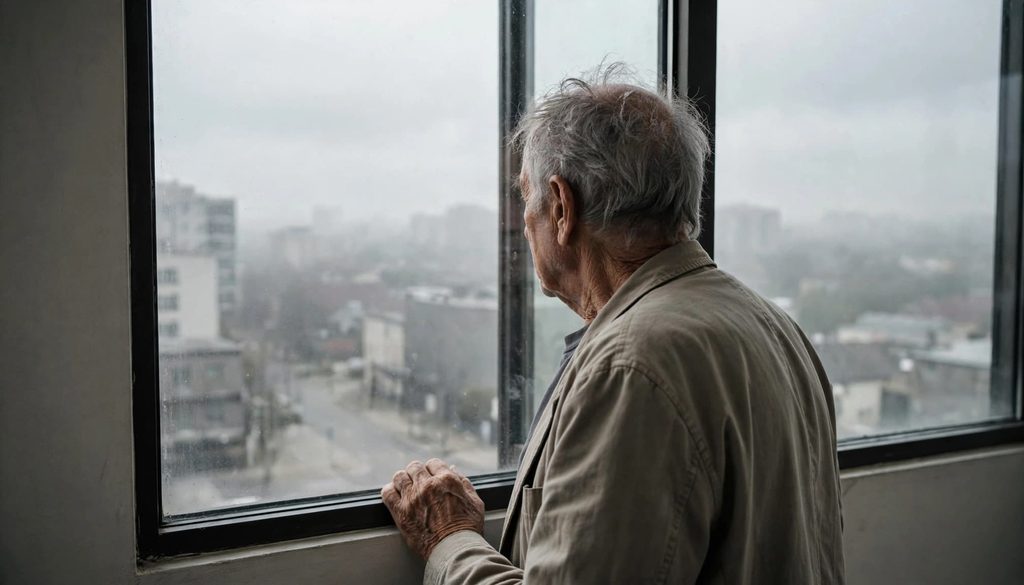
If you were a high achiever or genuinely loved your work, you will likely feel it even more, because so much of your self-worth was tied up in your title.
That deep connection to your job is why rebuilding a sense of purpose after retirement becomes such an important next step once your daily routine shifts.
It is worth the effort, too. Research has long linked a strong sense of purpose to living longer and healthier, so preparing for the shift pays off well beyond your mood.
The Emotions to Expect (and Why They’re Completely Normal)
Stepping away brings up a wave of unexpected feelings, and I want to name them so you know you are not doing it wrong. None of these mean your decision was a mistake.
The Relief That Quietly Fades
The honeymoon period feels wonderful through those first weeks of sleeping in and slow mornings. Then the calm often flattens into restlessness after two or three months, and it takes people completely by surprise.
Anxiety and a Strange Restlessness
You might feel a low-grade “what now?” anxiety and a real discomfort with unstructured time. There is even an odd guilt that creeps in when you finally have what you wanted, yet feel uneasy inside it.
Grief for the Life You Left
Mourning your old routine, your desk, and your daily colleagues is entirely valid. It counts as a real loss, even if the job drove you crazy.
A Dip in Confidence
Losing the quick wins and daily competence you built over decades can shake your self-assurance. You might hesitate in social settings or feel unsure how to describe yourself without a title.
Guilt About Slowing Down
High achievers often feel guilty when they are not busy from dawn to dusk. Measuring your worth by what you crossed off a list is a hard habit to break after a lifetime of deadlines.
How to Tell If You’re Emotionally Ready to Retire
If you recognize yourself above, a quick honest check can help you see where you stand. This is not a scored quiz, just a mirror, and wherever you land is completely okay.

You are likely leaning ready if:
- You feel curious, even excited, about filling your days with new interests.
- You can picture a version of yourself that isn’t defined by your job.
- You have already started building relationships and routines outside of work.
You might want a little more time if:
- You keep clinging to work projects well past your target date.
- The thought of unstructured days makes you anxious rather than excited.
- You can’t yet name what would give your days meaning without work.
How to Build Emotional Readiness Before You Retire
If you are still working your final months or years, you have a wonderful window to prepare on purpose. Your feelings deserve as much intentional planning as your investment accounts.
Name the Feelings Before They Arrive
Simply expecting the anxiety, loss, and restlessness makes them far easier to carry when they show up. Try writing down what you think you will miss and what you look forward to a few months before your last day.
Practice the Identity Shift Early
Start introducing yourself as more than your job while you still have the job. Answer the weekend “what do you do?” question with a hobby, a family role, or a cause you care about.
Build a Life Outside Work Now, Not Later
Grow the relationships, interests, and weekly routines that will hold you before you actually need them. If you’re unsure what those days can even look like, this honest look at what people do all day in retirement is a good place to start.
Ease In Instead of Cliff-Edging
Consider phased retirement, part-time work, or consulting as bridges that soften the drop. A trial run, like three days a week for six months, gives your mind time to adjust.
Line Up Your People in Advance
Decide who your support system will be before isolation has a chance to set in. Plan regular connection, like a recurring coffee date or a weekly class, so it doesn’t depend on chance.
How to Cope With the Emotional Adjustment After You Retire
If you already stepped away and feel adrift, please know you can find your footing again. The adjustment is a major life transition, and it takes time.

Give it real time, build a fresh routine, and treat the early wobbles as normal rather than proof of a wrong choice. This practical guide to coping with the emotional adjustment is a reassuring read on why the feelings show up and how to steady yourself.
Keep a gentle eye on yourself, though. If a persistent low mood sticks around for weeks without lifting, taking those feelings to a doctor or therapist is a caring and responsible step, not a failure.
Turning Emotional Readiness Into a Complete Retirement Plan
Your feelings are one piece of a bigger picture. When money, health, purpose, and relationships line up, real fulfillment tends to follow.
The most useful next step is to see how you’re doing across every area, not just this one. Run through the full retirement readiness checklist and notice where you feel strong and where you could use more planning.
If you’d rather ease in gently, the Retirement Vision Quiz is a low-pressure way to start getting clear on the life you actually want.
Frequently Asked Questions
A few of the questions I hear most often from women weighing this exact decision.
What is emotional readiness for retirement?
It is the inner preparation for how your daily life and identity will feel once you stop working. Unlike financial readiness, which counts your savings, emotional readiness focuses on your mindset and personal fulfillment.
Is it normal to feel anxious or depressed after retiring?
Yes, experiencing anxiety or a low mood during major life changes is very common and well-documented. If those heavy feelings persist for weeks without lifting, reaching out to a healthcare professional is a wise choice.
How long does the emotional adjustment to retirement take?
There is no single timeline because everyone reacts differently to major life shifts. Some people find their rhythm within a few months, while others need a year or two to settle into their new normal.
How do I prepare myself emotionally for retirement?
You can prepare by acknowledging your feelings ahead of time, practicing your identity outside of work, and building active hobbies. Setting up your social connections before your last day also helps cushion the transition.
Feelings Are Something You Plan For
Emotional readiness is something you build, not something you wait for. When you plan for the feeling of retirement and not just the finances, you turn a daunting transition into a season of real growth.
That was the shift for me, the day I started treating my feelings as part of the plan. Do that, and you can build a genuinely fulfilling life on the other side of your career.